
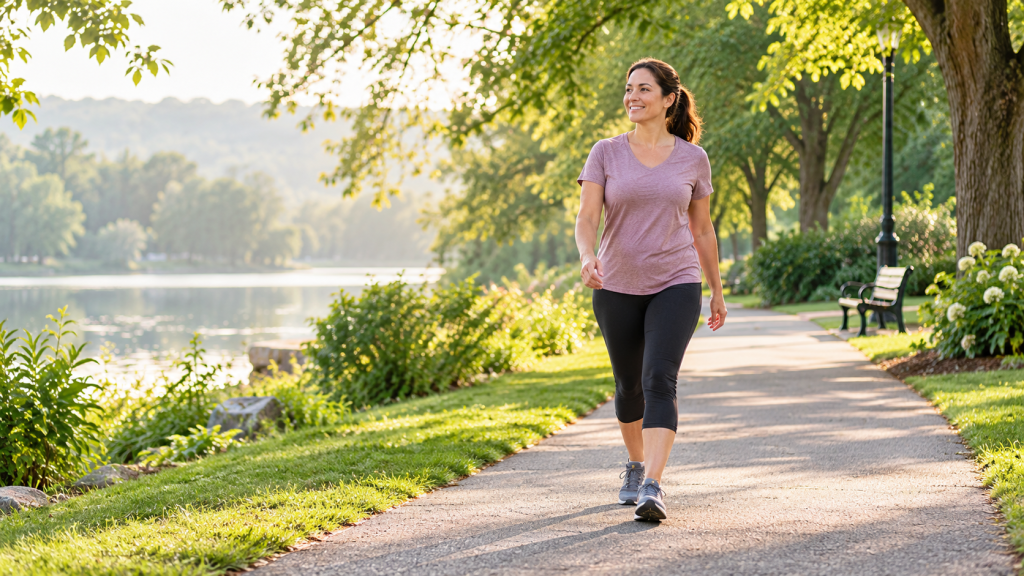
Finding time to exercise isn’t always easy. Between work, family responsibilities, and everything else on your schedule, even a short workout can feel like one more thing to squeeze into an already busy day.
But getting started with physical activity doesn’t have to mean joining a gym, buying expensive equipment, or committing to an intense workout routine.
Sometimes, a comfortable pair of shoes and 15 minutes of walking are enough to begin building a more active daily routine.
Walking is a simple, accessible form of movement that you can adjust to your fitness level. You might enjoy a quiet walk around your neighborhood, take a few laps through a nearby park, or use a treadmill when the weather isn’t cooperating.
If you’re new to exercise, the goal isn’t to walk as fast or as far as possible. It’s to find a pace that feels manageable and build confidence as you go.
In this guide, we’ll explore a practical 15-minute walking routine for beginners, along with simple warm-up ideas, pacing tips, common mistakes to avoid, and ways to make walking a regular part of your day.
You don’t have to change your entire schedule to get moving. You can start with a few comfortable minutes and gradually build from there.
Table of Contents
Why Walking Is a Great Exercise for Beginners
When people think about getting fit, they often picture gym workouts, running, or complicated exercise routines. But walking deserves a place in that conversation, too.
One of the best things about walking is how easily it can fit into everyday life. You don’t need special equipment, a gym membership, or much space to begin.
You can walk around your neighborhood, explore a nearby park, or take a few laps indoors when the weather isn’t ideal.
Here are a few reasons walking is worth considering:
- It supports heart health. Regular physical activity, including brisk walking, can help support cardiovascular health.
- It gets your body moving. Walking engages muscles in your legs and helps you spend less time sitting.
- It can support your mood. A short walk can provide a refreshing break from a busy or stressful day.
- It’s easy to adjust. You can slow down, take a break, or gradually increase your pace as your comfort and fitness improve.
- It can become part of your routine. Walking after lunch, before work, or in the evening may be easier to maintain than a complicated workout schedule.
According to the Centers for Disease Control and Prevention (CDC), adults should aim for at least 150 minutes of moderate-intensity physical activity each week, along with muscle-strengthening activities on two days. The CDC also emphasizes that some physical activity is better than none, so shorter walks can be a useful starting point if you’re just beginning.
That recommendation doesn’t mean you need to reach 150 minutes immediately. If you’re just beginning, shorter walks can help you work toward a more active lifestyle.
The important thing is to start at a level that feels manageable for you.
Before You Start: A Few Simple Walking Tips
You don’t need an elaborate preparation routine to enjoy a short walk. However, a few small choices can make the experience more comfortable.
Wear Comfortable Shoes
Choose shoes that fit well and provide enough support for walking.
You don’t necessarily need expensive athletic shoes. What’s more important is that your footwear feels comfortable and doesn’t rub or pinch.
Start at an Easy Pace
If you’re new to exercise, begin with a comfortable pace instead of trying to walk quickly from the first minute.
You should be able to speak in full sentences without struggling to breathe.
As you become more comfortable, you can gradually pick up your pace.
Choose a Safe Walking Location
A nearby park, quiet neighborhood, indoor walking track, or treadmill can all be suitable options.
Look for a relatively even surface, especially if you’re concerned about balance or uneven ground.
If you’re walking outdoors, pay attention to traffic, visibility, and weather conditions.
Keep Water Available
For a short walk in comfortable weather, many people won’t need to carry water, especially if they’re already well hydrated.
However, it’s sensible to have water available when walking in hot or humid conditions.
Listen to Your Body
A little extra effort can be normal when you begin moving more, but exercise shouldn’t involve pushing through significant pain or distress.
Slow down or stop if you feel uncomfortable. Seek urgent medical attention for warning signs such as chest pain, fainting, or severe shortness of breath.
If you have a medical condition, symptoms that affect exercise, or concerns about whether walking is safe for you, speak with a qualified healthcare professional before increasing your activity.
Remember: Your first walk doesn’t need to be impressive. The goal is simply to begin moving in a way that feels comfortable and sustainable.
Your 15-Minute Walking Routine for Beginners
If you’re wondering what a beginner-friendly walking session should look like, here’s a simple place to start.
This routine divides 15 minutes into three parts: a gentle warm-up, a comfortable walking period, and a slower finish.
You don’t need to track your distance or worry about how many steps you take. The idea is to find a pace that feels right for you.
Minutes 0–3: Start With a Gentle Warm-Up
Begin walking slowly, allowing your body to settle into the movement.
Keep your shoulders relaxed, look ahead, and let your arms swing naturally at your sides.
There’s no need to rush. These first few minutes are about easing into your walk.
What to focus on:
- Walk at a comfortable, unhurried pace.
- Keep your steps natural rather than taking unusually long strides.
- Relax your shoulders and breathe normally.
- Pay attention to how your feet and legs feel.
If you haven’t exercised in a while, it’s perfectly fine to spend longer warming up.
Minutes 3–12: Find a Comfortable Walking Pace
Once you feel warmed up, gradually increase your speed if you’re comfortable doing so.
For some beginners, this might mean walking slightly faster than usual. Others may prefer maintaining their original pace.
A useful way to judge your effort is the talk test.
During moderate-intensity activity, you can generally talk but would find it difficult to sing. If you’re struggling to speak comfortably, slow down.
What to focus on:
- Maintain a steady pace you can comfortably manage.
- Keep your posture upright without becoming stiff.
- Let your arms move naturally.
- Breathe steadily instead of holding your breath.
- Slow down or take a break if you need to.
Don’t worry if your pace changes during these nine minutes.
You might feel energetic at the beginning and decide to slow down later. That’s okay. Your body doesn’t need to follow an exact speed for the walk to be worthwhile.
Minutes 12–15: Slow Down and Cool Down
As you approach the end of your walk, gradually reduce your pace.
Spend the final three minutes walking slowly and allowing your breathing to settle.
A gentle cool-down gives you time to transition from activity back to your usual routine.
What to focus on:
- Gradually slow your steps.
- Keep breathing comfortably.
- Relax your arms and shoulders.
- Finish somewhere safe where you can stop and rest.
Once you’ve finished, take a moment to notice how you feel.
There’s no need to immediately add another workout or push yourself to walk farther.
Completing a manageable session is a good starting point.
What if 15 Minutes Feels Too Difficult?
If 15 minutes of continuous walking feels like too much, you can shorten the session.
For example, try walking comfortably for five minutes, taking a break, and walking for another five minutes later in the day.
You can gradually add more time as your comfort and stamina improve.
The routine is a guide, not a test. Walking at your own pace is more useful than forcing yourself to complete a schedule that feels too demanding.
What if 15 Minutes Feels Easy?
If the routine feels comfortable, you can continue with it for a while before deciding whether to increase your activity.
You might eventually choose to walk a little longer, increase your pace slightly, or add another short walk during the day.
Make changes gradually rather than increasing everything at once.
The goal is to build a routine that you can enjoy and maintain—not to make every walk harder than the last.
5 Common Walking Mistakes Beginners Should Avoid
Walking may seem straightforward, but a few common habits can make it less comfortable or harder to maintain.
You don’t need perfect technique to enjoy walking. Still, being aware of these mistakes can help you get started with greater confidence.
1. Walking Too Fast Too Soon
It’s easy to feel motivated on your first day and push yourself to walk faster than you’re ready for.
But starting too quickly can leave you feeling exhausted and make the next walk seem less appealing.
What to try instead: Begin at an easy pace and gradually increase your speed when you feel comfortable. A steady, manageable walk is a better starting point than trying to set a personal record.
2. Wearing Uncomfortable Shoes
Shoes that pinch, rub, or don’t fit properly can turn a pleasant walk into an uncomfortable experience.
What to try instead: Choose comfortable, properly fitting shoes suitable for your walking surface. Check for rubbing or discomfort before heading out for a longer walk.
3. Trying to Walk the Same Distance Every Day
Not every day will feel the same.
You might have more energy after a good night’s sleep, while another day may leave you feeling tired or distracted.
That’s normal.
What to try instead: Adjust your walking time and pace according to how you feel. A shorter, comfortable session can still help you maintain the habit.
4. Ignoring Your Surroundings
Listening to music or a podcast can make walking enjoyable, but distractions can become a problem near traffic, intersections, or uneven sidewalks.
What to try instead: Stay aware of vehicles, cyclists, and other pedestrians. Choose well-lit routes when appropriate and avoid distractions that prevent you from noticing potential hazards.
5. Expecting Results Overnight
Some people start walking with big expectations about weight, fitness, or energy levels.
When noticeable changes don’t happen immediately, it’s easy to lose motivation.
What to try instead: Focus on achievable actions rather than quick results.
Completing a comfortable walk, finding a route you enjoy, or fitting movement into a busy afternoon can all be meaningful steps toward a more active routine.
How to Build a Weekly Walking Habit
Once you’ve tried your first 15-minute walking routine, the next challenge is making it part of your week.
The good news is that you don’t need a complicated fitness calendar.
Start by choosing a few realistic opportunities to walk.
A Simple Beginner Walking Schedule
Here’s an example of how someone new to regular exercise might organize their first week.
| Day | Walking Plan |
|---|---|
| Monday | Try the 15-minute beginner walking routine |
| Tuesday | Rest or enjoy a short, relaxed walk |
| Wednesday | Repeat the 15-minute routine |
| Thursday | Rest or choose another comfortable activity |
| Friday | Enjoy another 15-minute walk |
| Saturday | Take an optional relaxed walk if you feel comfortable |
| Sunday | Rest and plan your walking times for the coming week |
This is only an example, not a required exercise schedule.
If 15 minutes is too much, begin with shorter sessions. If you already walk regularly, you may prefer a different routine.
As walking becomes more comfortable, you can gradually increase your total weekly activity according to your abilities and goals.
Make Walking Fit Your Real Life
A routine is easier to maintain when it works with your schedule instead of competing with it.
Here are a few simple ways to make walking more convenient:
- Walk during a lunch break. Even a short outdoor break can help you spend less time sitting.
- Choose a regular time. Walking after breakfast or before dinner may make the habit easier to remember.
- Keep your shoes accessible. Having what you need ready removes one small obstacle.
- Invite someone along. Walking with a friend, neighbor, or family member can make the experience more enjoyable.
- Have an indoor alternative. A treadmill, indoor track, or another safe indoor walking space can be useful when the weather isn’t suitable.
You don’t have to use every suggestion. Choose one or two that fit naturally into your routine.
Simple Ways to Stay Motivated Without Tracking Every Step
Fitness apps and step counters can be useful, but they aren’t essential for building a walking habit.
If tracking numbers makes exercise feel stressful, try a simpler approach.
Notice how walking fits into your day. Do you enjoy a quiet morning walk? Does an afternoon walk give you a welcome change of scenery?
Celebrate consistency, not speed. Making time for movement can be worthwhile even when you don’t walk farther or faster than before.
Try different routes. Exploring another street, park, or walking path can keep the routine interesting.
Give yourself flexibility. If you miss a planned walk, you haven’t lost your progress. You can simply return to your routine when you’re ready.
Most importantly, remember that walking is something you can adapt over time.
Your routine doesn’t need to look like anyone else’s to be useful.
Frequently Asked Questions About Walking for Beginners
Is walking for 15 minutes a day enough for beginners?
A 15-minute walk can be a useful starting point, especially if you’re new to regular exercise.
The CDC recommends that most adults aim for at least 150 minutes of moderate-intensity aerobic activity per week, along with muscle-strengthening activities on two days. However, you don’t need to reach that goal immediately.
Shorter sessions can help you build a routine, and you can gradually increase your activity as your fitness and comfort improve.
Is it better to walk in the morning or evening?
There’s no single best time to walk for everyone.
Morning walks might fit nicely before work, while an afternoon or evening walk could provide a break from your usual routine.
The most practical choice is a time when you can walk safely and consistently.
Do I need to walk fast to get benefits?
Not necessarily.
If you’re just beginning, a comfortable pace is a reasonable place to start. As you become more active, you may gradually work toward a brisker pace.
For moderate-intensity walking, the talk test can be helpful: you should generally be able to talk but not sing comfortably.
You don’t need to compete with anyone else’s walking speed.
Can I split my 15-minute walk into shorter sessions?
Yes. If walking continuously for 15 minutes feels difficult, you can divide your movement into shorter sessions throughout the day.
For example, you might walk for five minutes in the morning, five minutes during lunch, and another five minutes in the evening.
Choose a routine that feels manageable and build from there.
What should I do if I miss a walking day?
Simply return to your routine when you can.
Missing a day doesn’t mean you’ve failed or need to make up for lost time with a harder workout.
A flexible schedule is often easier to maintain than one that leaves no room for busy days, rest, or unexpected changes.
Final Thoughts: Start Small and Keep Moving
Starting a walking routine doesn’t require expensive equipment, a perfect schedule, or a major lifestyle change.
For many beginners, a comfortable 15-minute walk is a practical way to make room for more movement.
You can begin slowly, choose a safe route, and adjust your pace depending on how you feel. Over time, you may find that walking becomes a welcome part of your day rather than another task on your to-do list.
Remember, progress doesn’t always mean walking faster or farther. Sometimes, it’s simply finding an activity you enjoy enough to return to regularly.
If you’re ready to begin, choose a comfortable time for your first walk and give yourself permission to start at your own pace.
Build More Healthy Habits, One Day at a Time
Walking is just one way to make everyday wellness feel more manageable.
If you’d like some additional inspiration, explore our 7 Simple Healthy Habits You Can Start Today article for practical ideas about movement, hydration, eating habits, and rest.
You can also download our Free 7-Day Healthy Habits Starter Guide, which includes simple daily ideas to help you build a routine that works for your lifestyle.
Get your free 7-day guide delivered to your inbox.
Small, consistent actions can be a meaningful place to start.
Pingback: 7 Simple Healthy Habits to Start Today | Nourish & Trim Hub